
Black and White Photography
by Jane St. Clair
I miss black and white photography but it’s been gone since the 1940s. I don’t care about being old-fashioned. I want it back.
I like the way black and white photography lends itself to the imagination. It’s all shadows and hollow places, and you have to fill in things like time of day, feelings, and what the picture would look like in color. That means you have to look harder.
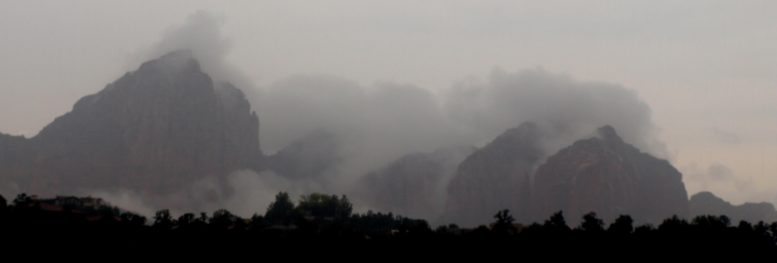
Some pictures are black and white naturally. This shot of a monsoon storm was not touched up at all. The rain and mountain shadows made it black and white naturally.
Other pictures start out with only a little bit of color. Most of today’s photographers avoid those subjects. They want that bam bam bam! look that technicolor gives out.

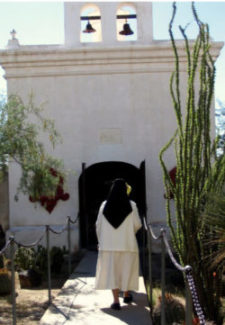
But to me, this sweet-faced ostrich looks just fine the way he is, sans color. I also like my picture of the nun going to prayers at San Xavier just the way she is.
Woody Allen likes black and white photography. This totally works in his movie “Manhattan,” where he got all kinds of images of New York City that look classic and iconic.
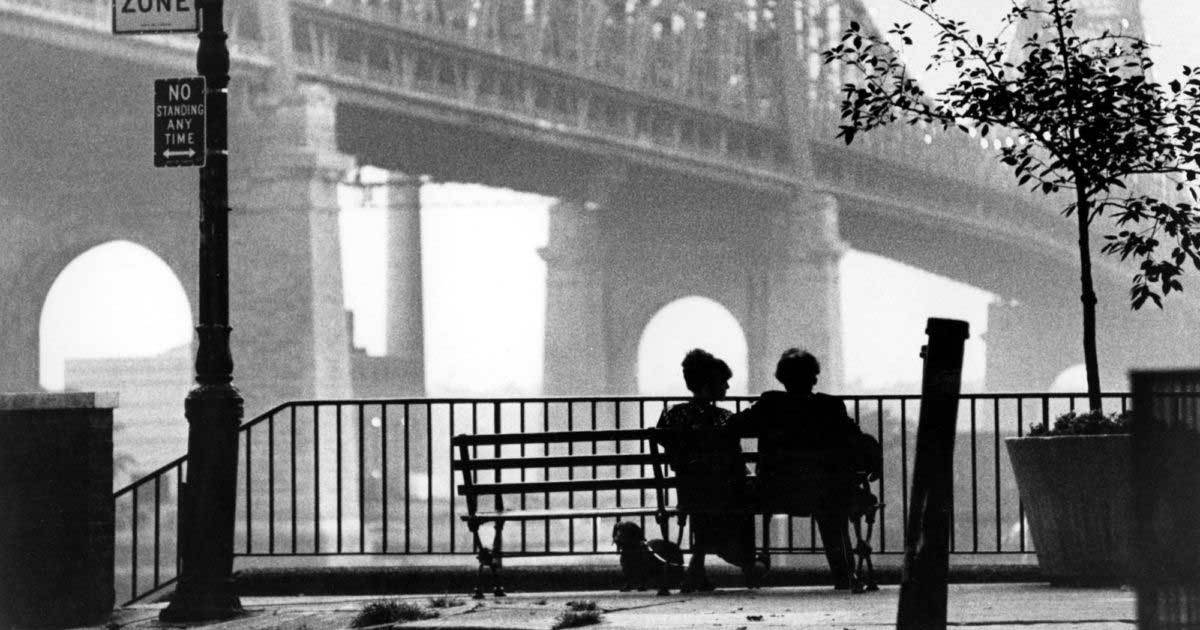
When he used Gershwin’s music in the background, he completely captured the spirit of Manhattan.
When you try to do the same thing in Tucson, you run into the problem that you’re lucky to find one black and white building in Tucson.

…because Tucson is all about light and color.
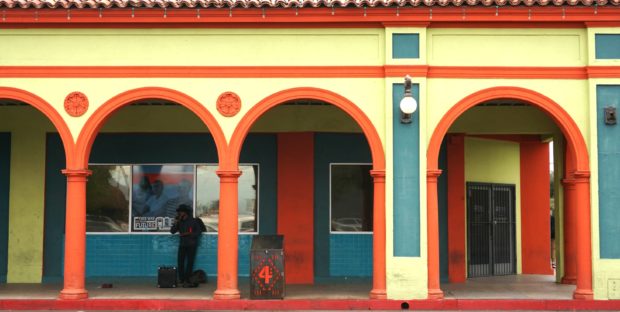
It’s not the same in black and white.
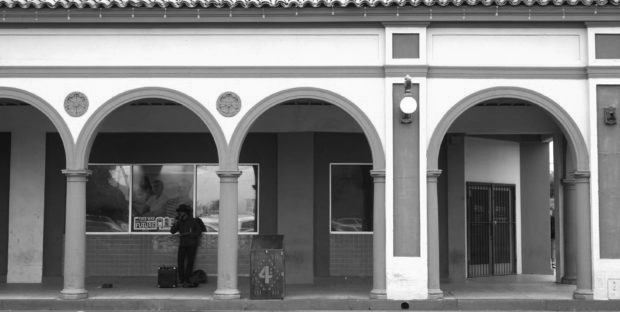

Manhattan Island can be as dark and grainy as Tri-X film.
It rains there.
Here the sun shines 360 days a year and goes out in glorious sunsets.
Our buildings are wild crayon colors.
If we had background music, it wouldn’t be Gershwin-sophisticated.
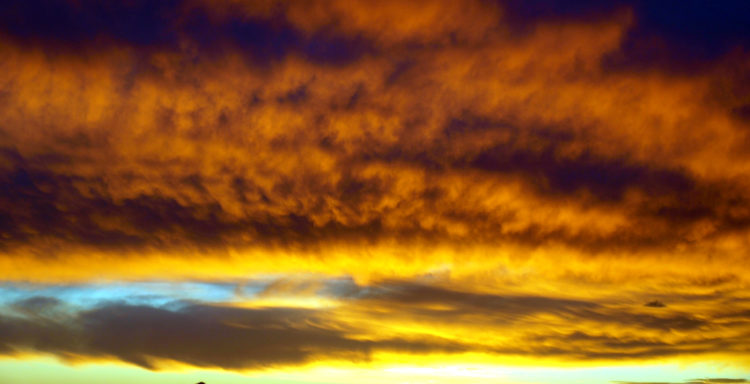
It’d be something younger, happier and peppier, maybe Mariachi songs combined with Native American flutes. The kind of music you hear when the sky lights up in brilliant colors, and suddenly you’re walking when everything around you is luminated. The music of Tucson. The song of the West.